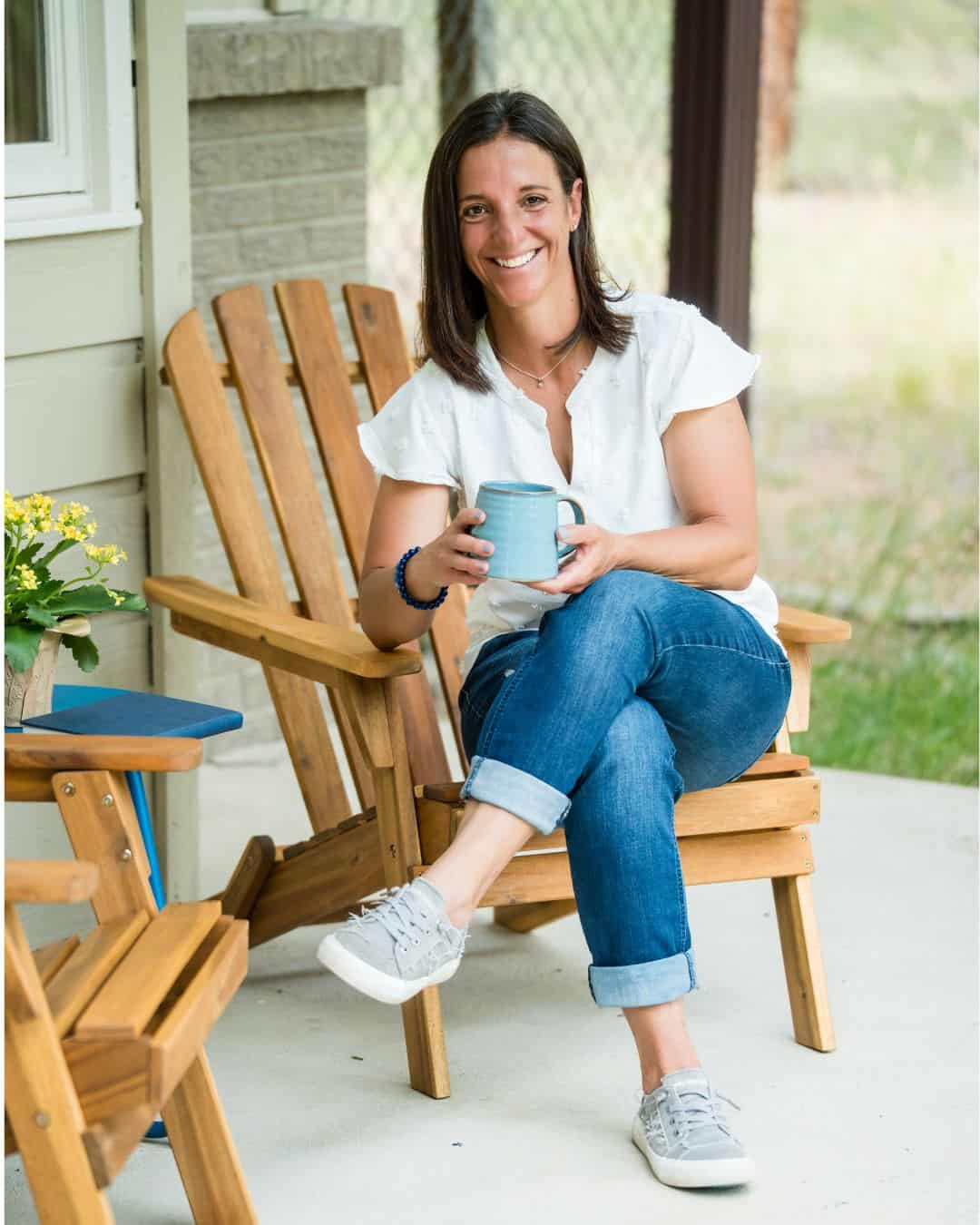

Fall might be my favorite season. I love watching the aspens turn, chasing the color change with my camera, sleeping with the windows cracked once the air finally turns crisp, and cooking my way through every squash, soup, and stew recipe I can find. But beyond everything I love about this time of year, there’s something else fall is doing that I don’t think we give enough credit to.
Look outside. The leaves are doing something remarkable.
Trees don’t hold onto their leaves through winter. They release them — deliberately, seasonally, without hesitation — so they can conserve energy for what’s ahead. It’s not decay. It’s intelligence.
Our bodies are asking us to do the same thing right now.
The Clinical Case for Slowing Down in Fall
This isn’t just a poetic observation — there’s real physiology behind why fall is genuinely a meaningful season for supporting your body.
A 2015 University of Cambridge study published in Nature Communications found that nearly a quarter of our genes shift their activity by season, with immune-related genes moving into a more active, inflammation-prepared state heading into autumn and winter. Your body’s own way of gearing up for the heavier viral season ahead. A separate 2023 study identified over 1,000 genes with autumn-specific activity patterns, many of them tied directly to immune function. Your body isn’t waiting until you get sick to respond to the season — it’s already responding, at the genetic level, whether you notice or not.
Layer onto that a few more seasonal realities:
- Post-summer load. More sun exposure, more travel, more alcohol and processed food at cookouts and vacations, more environmental exposure overall. Fall is the natural “after” — the season your body is primed to process what summer left behind.
- The harvest is on your side. Cruciferous vegetables — broccoli, Brussels sprouts, cabbage, kale — are at peak season right now, and they contain compounds that directly support your liver’s detoxification pathways. Nature’s timing here is not a coincidence.
- Your circadian rhythm is shifting. As daylight shortens, cortisol and melatonin patterns shift too — and those rhythms are tied to how efficiently your liver and gut function. Supporting your body through that transition, rather than pushing through it, makes the shift smoother.
What Traditional Medicine Has Known for Thousands of Years
I’m not a Traditional Chinese Medicine practitioner, but I’ve come to deeply respect what TCM has understood for millennia. In TCM, fall is the season of the lung and large intestine — the organs of breath and elimination. Of taking in, and letting go. It’s not a coincidence that the season of falling leaves is also considered the season of release.
Modern research and ancient tradition are pointing in the same direction here, which is worth sitting with. Long before anyone could sequence a gene, practitioners noticed that this time of year calls for something different from the body than summer does.
It’s Not Only Physical
Here’s the part that’s harder to fit into a clinical framework: slowing down in fall was never only about biochemistry, and I don’t think it is for you either.
What are you still holding onto that’s ready to fall away? A belief, a habit, a grudge, a version of yourself you’ve outgrown? The body’s systems and the spirit’s systems aren’t as separate as conventional wellness culture sometimes treats them. The same season that asks your liver to process what summer left behind is often asking the rest of you to do the same thing, emotionally and mentally.
What This Looks Like in Practice
Slowing down for fall doesn’t require an elaborate protocol. It can look like:
- Leaning into seasonal, cruciferous-rich meals instead of fighting the shift toward heartier food
- Letting your sleep schedule adjust with the shorter days rather than forcing summer hours
- Building in genuine rest, not just less activity, but actual recovery time
- Asking yourself, honestly, what you’re ready to let go of this season — physically, mentally, or emotionally
The Bottom Line
Fall isn’t just a backdrop for cozy sweaters and pumpkin spice. It’s a season your body is biologically primed to use differently than summer — supported by real genetic research, echoed by thousands of years of traditional medicine, and, if you let it, a genuine invitation to release what you no longer need before winter asks something else of you entirely.
Curious what a season of intentional, whole-body support could look like for you? Schedule a discovery call to talk through where to start.
Disclaimer: This article is for educational purposes only and is not intended as medical advice, diagnosis, or treatment. It does not replace the relationship between you and your physician or other qualified healthcare provider. Always consult your doctor or a qualified healthcare professional before making changes to your diet, supplement routine, or starting any new health protocol, especially if you are pregnant, nursing, managing a chronic condition, or taking medication. Individual results vary.