
Understanding what disrupts your hormones is just the beginning. Here’s how to rebuild them — practically and sustainably.
So this is where we get practical. Actionable. Real. Because hormonal healing isn’t a mystery — it’s a process. And it starts with the foundations.
“Your hormones are listening to your nervous system. Regulate that first, and everything else gets easier.”
Diet for Hormone Balance
Your food is your foundation. And when it comes to hormones, plants are your most powerful tool. They contain phytoestrogens and other compounds that support healthy hormone metabolism, and they feed your gut microbiome — which directly influences how your body processes and eliminates estrogen.
Here are five hormone powerhouse foods to prioritize:
- Cruciferous vegetables (broccoli, Brussels sprouts, cabbage) — support estrogen metabolism via indole-3-carbinol
- Flaxseeds — contain lignans that support hormone balance and estrogen clearance
- Fatty fish (salmon, sardines, mackerel) — omega-3s reduce inflammation and support hormone production
- Berries — rich in antioxidants that protect hormone-producing tissues from oxidative stress
- Leafy greens (spinach, kale, collards) — packed with magnesium, iron, and B vitamins your hormones need
- Choose organic when possible — reduces pesticide exposure, a direct source of endocrine-disrupting chemicals
But diet isn’t just about what you add. It’s equally about what you eliminate. Reduce processed foods, excess sugar, and foods that trigger inflammation in your body. These are the inputs that keep your liver overburdened, your blood sugar unstable, and your hormones disrupted.
A note on fiber: Fiber deserves its own mention. Soluble fiber binds to excess estrogen in the gut and carries it out through stool, preventing reabsorption. A high-fiber diet is one of the most effective dietary tools for managing estrogen dominance.
Supporting Your Hormones with Supplements
Supplements can’t replace a good diet or a regulated nervous system. But they can provide the targeted support your body needs while you’re doing the deeper work — particularly when nutrient deficiencies are driving hormonal imbalance.
The nutrients most critical for hormonal health include magnesium, zinc, selenium, iron, B vitamins (especially B6), and vitamin D. But the specific combination and doses that are right for you depend on your individual labs, symptoms, and health history.
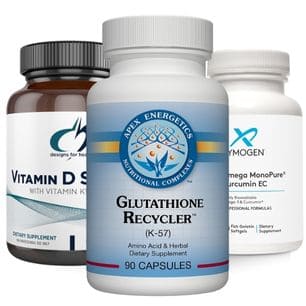
Hormone Balancing Bundle
I created this bundle specifically for women with chronic illness who are ready to support their hormonal health. It includes the vitamins, minerals, and botanicals that address the root causes we’ve been discussing — in the forms and doses I recommend in clinical practice.
Stress Management & Movement
Remember: your hormones are listening to your nervous system. If your nervous system is dysregulated, your hormones will be too — no matter what supplements or dietary changes you make. This is the piece most women skip, and it’s often the reason healing stalls.
When it comes to movement, lower intensity is better for hormone balance — especially if you’re dealing with HPA axis dysregulation, chronic fatigue, or autoimmunity. The goal isn’t to push harder. It’s to regulate.
- Yoga — activates the parasympathetic nervous system, lowers cortisol, supports progesterone
- Walking — gentle, accessible, and effective at reducing stress hormones without taxing the adrenals
- Weight training with progressive loading — improves insulin sensitivity, supports bone density, and builds metabolic resilience without the cortisol spike of high-intensity training
High-intensity exercise, when your body is already under stress, can backfire. Elevated cortisol from overtraining suppresses progesterone and further disrupts thyroid function. Meeting your body where it is — not where you think it should be — is part of the healing.
Bringing it all together
Hormonal healing isn’t linear, and it isn’t one-size-fits-all. But it does follow a pattern. Here’s what the process looks like:
- Address your diet — Prioritize plants and fiber, eliminate inflammatory foods, and choose organic when possible
- Support with targeted supplements — Fill the nutrient gaps your hormones depend on, based on your individual needs
- Regulate your nervous system — Through gentle movement, rest, and intentional stress management practices
- Do the deeper work — Address the emotional, relational, and spiritual dimensions, because unprocessed stress lives in the body
This is the work that actually creates change. Not one piece in isolation — all of it, together, over time.
Ready to go deeper?
If you want personalized guidance on addressing your specific hormonal imbalances and chronic illness, I’m here. Working together, we can identify what’s driving your symptoms and build a plan that actually fits your body and your life. Book your free discovery call with me today.