
Why Your Body Needs Extra Support During Grief and Stress
When you’re grieving, processing trauma, or under chronic stress, your body is working overtime. Your nervous system is in constant alert mode, your immune system is activated, and your digestive system may be compromised. This heightened state dramatically increases your need for certain nutrients while simultaneously making it harder for your body to absorb and utilize them effectively.
Understanding which nutrients become depleted and how to replenish them can be a crucial step in supporting your body’s natural healing process during difficult times.
If grief has reshaped your health in ways that standard care hasn’t explained, you may want to explore the Grief & Loss page.
Important Note: This guide is for educational purposes only. Always consult with a qualified healthcare practitioner before starting any new supplement regimen, especially if you’re taking medications or have underlying health conditions.
The Stress-Nutrient Depletion Cycle
When your body perceives threat (whether physical or emotional), it prioritizes immediate survival over long-term health. This means:
- Increased nutrient burn rate: Your body uses nutrients faster to fuel stress hormones and immune responses
- Decreased absorption: Stress disrupts digestion, reducing your ability to extract nutrients from food
- Poor food choices: Grief and stress often lead to eating convenience foods or losing appetite entirely
- Alcohol consumption: Many people turn to alcohol to cope with stress and grief, which further depletes B vitamins, magnesium, zinc, and vitamin C while interfering with nutrient absorption
- Medication effects: Antidepressants, sleep aids, and other medications can further deplete certain nutrients
The result? Even with an optimal diet, you may become deficient in key nutrients your body desperately needs for healing and recovery.
Critical Nutrients Depleted by Stress and Grief
B-Complex Vitamins: Your Nervous System’s Best Friend
Why they’re depleted: B vitamins are water-soluble and rapidly used up during stress hormone production and nervous system function.

Signs of deficiency:
- Severe fatigue and low energy
- Brain fog and difficulty concentrating
- Mood swings or irritability
- Trouble sleeping or staying asleep
- Cravings for sugar and refined carbs
Food sources: Leafy greens, nutritional yeast, eggs, fish, legumes, and whole grains
Supplement considerations: Look for a high-potency B-complex with active forms (methylfolate, methylcobalamin). Typical range: 50-100mg of most B vitamins daily.
Magnesium: The Relaxation Mineral
Why it’s depleted: Stress hormones cause your kidneys to excrete magnesium faster than normal, and most people are already deficient.
Signs of deficiency:
- Muscle tension, cramps, or twitching
- Difficulty falling asleep or restless sleep
- Anxiety or feeling “wired but tired”
- Headaches or migraines
- Constipation
- Chocolate cravings
Food sources: Dark leafy greens, nuts, seeds, dark chocolate, avocados, and epsom salt baths
Supplement considerations: Magnesium glycinate or malate are well-absorbed forms. Start with 200-400mg before bed. Avoid magnesium oxide, which is poorly absorbed.
Because chronic illness often begins with hidden imbalances like this, many people find clarity on the Chronic Illness page.
Vitamin C: Your Stress-Fighting Antioxidant
Why it’s depleted: Your adrenal glands contain the highest concentration of vitamin C in your body and burn through it rapidly during stress.
Signs of deficiency:
- Frequent infections or slow healing
- Easy bruising
- Fatigue and weakness
- Joint pain
- Poor iron absorption
Food sources: Citrus fruits, berries, bell peppers, broccoli, kiwi, and strawberries
Supplement considerations: 1000-2000mg daily in divided doses. Buffered vitamin C or liposomal forms may be easier on the stomach.
Vitamin D: The Sunshine Vitamin
Why it’s often low: Often those experiencing grief do not spend as much time outdoors, plus chronic inflammation can interfere with vitamin D metabolism.
Signs of deficiency:
- Low mood or seasonal depression
- Frequent infections
- Bone or muscle pain
- Slow wound healing
- Hair loss
Food sources: Fatty fish, egg yolks, and mushrooms (though supplementation is usually necessary)
Supplement considerations: Have your blood level tested first. Most adults need 2000-4000 IU daily, but this varies widely based on individual needs.

Omega-3 Fatty Acids: Brain and Heart Support
Why they’re important: These essential fats support brain function, reduce inflammation, and help regulate mood and stress responses.
Signs you may need more:
- Depression or mood swings
- Brain fog or poor memory
- Dry skin or hair
- Joint pain or stiffness
- Poor sleep quality
Food sources: Fatty fish (salmon, sardines, mackerel), walnuts, flax seeds, and chia seeds
Supplement considerations: Look for high-quality fish oil with at least 1000mg combined EPA/DHA daily. Algae-based options are available for vegetarians.
Zinc: Immune and Mood Support
Why it’s depleted: Stress increases zinc excretion, and it’s often low in those with digestive issues or poor appetite.
Signs of deficiency:
- Frequent infections
- Slow wound healing
- Loss of taste or smell
- Hair loss or brittle nails
- Low mood or irritability
- White spots on fingernails
Food sources: Oysters, red meat, pumpkin seeds, chickpeas, and cashews
Supplement considerations: 15-30mg daily, preferably with food to avoid stomach upset. Don’t take calcium or iron as they compete for absorption.
Adaptogenic Herbs: Nature’s Stress Managers
Why they’re important: While not technically nutrients, adaptogenic herbs help your body manage stress more effectively and preserve your nutrient stores by supporting a healthy stress response.
Signs you may benefit:
- Feeling constantly overwhelmed or “wired but tired”
- Difficulty managing daily stressors
- Poor stress recovery
- Fatigue that fluctuates throughout the day
- Sleep issues related to racing thoughts
Key adaptogens for grief and stress:
Ashwagandha: Helps lower cortisol levels and supports better sleep quality. Best taken in the evening.
Rhodiola: Supports mental clarity and energy during stressful periods. Best taken in the morning.
Holy Basil (Tulsi): Provides gentle nervous system support and emotional balance. Can be taken as tea or supplement.
Supplement considerations: Start with one adaptogen at a time to see how your body responds. Quality varies significantly between brands, so choose reputable sources. Most adaptogens are best taken consistently for 6-8 weeks to see full benefits.
Creating Your Supplement Strategy
Start with the Basics
Don’t try to address everything at once. Begin with:
- A high-quality multivitamin to cover basic needs
- Magnesium for sleep and nervous system support
- Omega-3s for brain and inflammation support
- Vitamin D if your levels are low
- Adaptogenic herbs to lower stress response
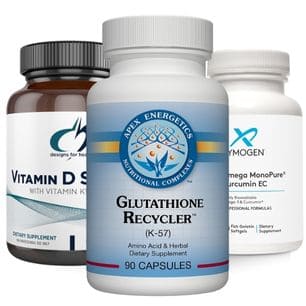
For convenient access to professional-grade versions of these foundational supplements, check out my curated supplements, which include exactly these five essentials in high-quality, well-absorbed forms.
When to Seek Professional Guidance
Consider working with a qualified practitioner if you:
- Have been under chronic stress for months or years
- Are taking multiple medications
- Have digestive issues that may affect nutrient absorption
- Want personalized recommendations based on testing
- Haven’t seen improvement with basic supplements after 6-8 weeks
- Have complex health conditions or autoimmune issues
Functional medicine testing can reveal:
- Specific nutrient deficiencies through comprehensive panels
- Genetic variations that affect nutrient needs
- Digestive health status and absorption capacity
- Stress hormone patterns and adrenal function
- Inflammatory markers and immune function

A Note on Healing and Patience
Replenishing depleted nutrients is an important step in supporting your body through grief and stress, but it’s just one piece of the healing puzzle. Your body has been working hard to protect you, and it may take time to restore balance.
Be patient with yourself and the process. Some people notice improvements in energy and mood within days or weeks, while others may need several months of consistent support. This doesn’t mean you’re doing anything wrong – it simply reflects your individual needs and the complexity of healing from stress and grief.
Remember, taking care of your physical health during difficult times isn’t selfish – it’s necessary. Your body needs extra support to help you navigate challenging periods and emerge stronger on the other side.
Ready for Personalized Support?
If this guide helped you understand how stress and grief might be affecting your nutrient needs, imagine what’s possible with personalized recommendations based on your unique situation, health history, and lab testing.
I specialize in helping individuals understand and address the physical impact of emotional stress and grief. Through comprehensive functional testing, personalized nutrition protocols, and trauma-informed care, we can create a supplement and nutrition plan that truly supports your healing journey.
Contact me to learn more about:
- Comprehensive nutrient testing and analysis
- Personalized supplement protocols
- Food sensitivity and digestive health assessment
- Stress hormone and adrenal function testing
- Ongoing support through your healing process
For a complete overview of how I guide clients through root-cause healing, you can explore the RESTORE Protocol™.
Your body has been working hard to support you. Let’s give it what it needs to heal.
This guide is for educational purposes only and is not intended to diagnose, treat, cure, or prevent any disease. Always consult with qualified healthcare providers before making changes to your supplement regimen, especially if you are pregnant, nursing, taking medications, or have underlying health conditions.