
Think of hormones as a complex recipe – and the foods you eat are the essential ingredients. Every hormone in your body requires specific nutritional cofactors to be produced, function properly, and be eliminated when their job is done. When we eat nutrient-dense foods, we provide our body with these vital cofactors that literally build our hormones from the ground up.
But when our diet is lacking in these key nutrients, the result is predictable: hormone imbalance. Your body simply can’t manufacture adequate amounts of progesterone without enough zinc, or properly detoxify estrogen without sufficient B vitamins, fiber, and cruciferous vegetables. It’s not a personal failing – it’s biochemistry.
The good news? Prioritizing certain foods in your diet is the first step to healthy hormones.
The 10 Hormone-Balancing Foods
1. Wild-Caught Salmon
Why it works: Omega-3s reduce inflammation and support the stress hormone system
Hormones it helps: Reduces cortisol, supports progesterone
How to use: 2-3 times per week
Recipe: Salmon + quinoa + avocado + steamed broccoli
2. Avocados
Why it works: Healthy fats are the building blocks of all sex hormones
Hormones it helps: Supports testosterone, progesterone, and estrogen production
How to use: Daily in smoothies, on toast, or in salads
Recipe: Avocado toast with sauerkraut and hemp seeds
3. Cruciferous Vegetables
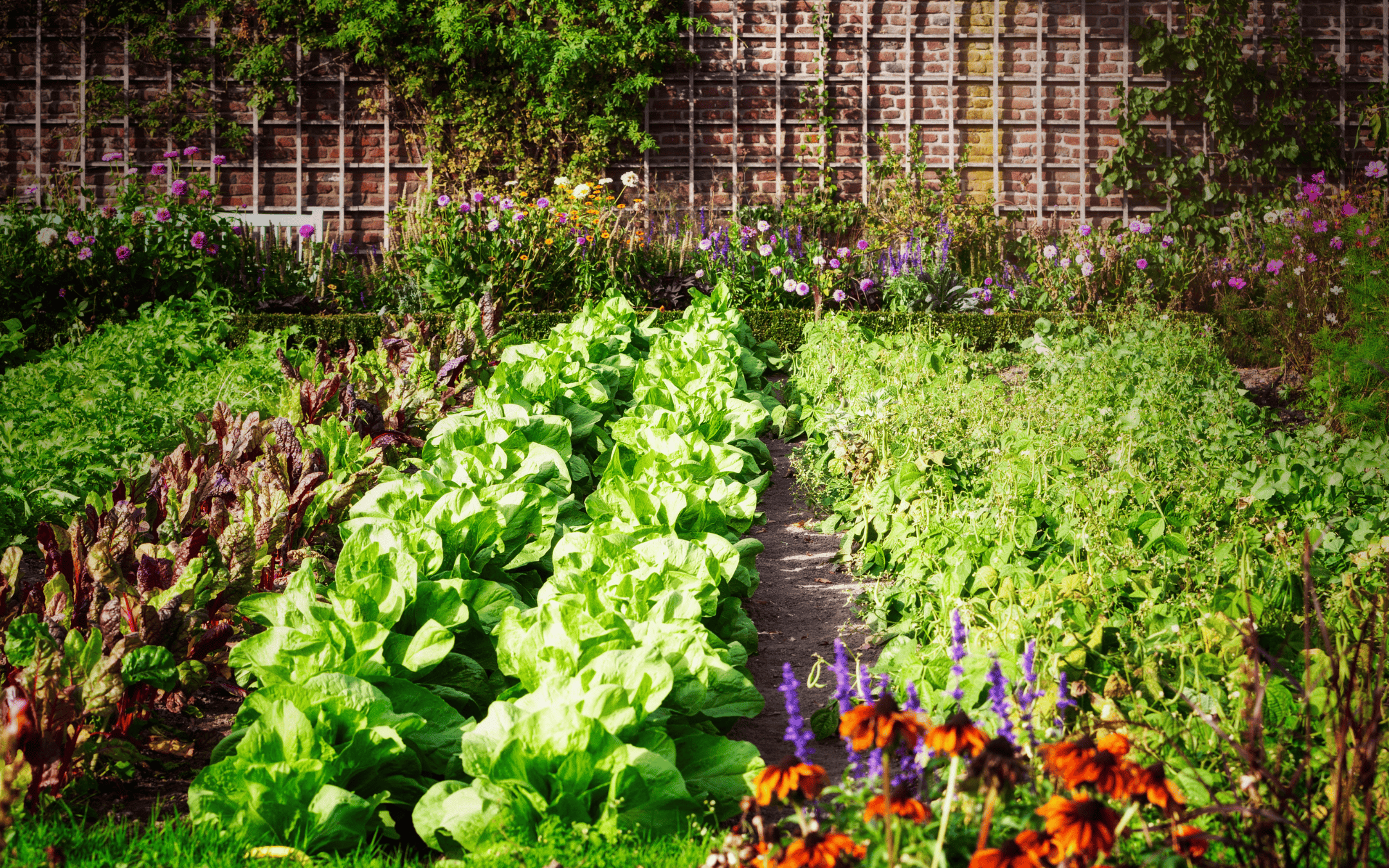
Why it works: Convert harmful estrogen metabolites to safer ones
Hormones it helps: Helps metabolize excess estrogen
How to use: Lightly steamed or sautéed (raw can suppress thyroid)
Recipe: Cabbage slaw with apple and pumpkin seeds
4. Pumpkin Seeds
Why it works: High in zinc (essential for hormone production) and magnesium
Hormones it helps: Supports progesterone, reduces PMS symptoms
How to use: 1-2 tablespoons daily, especially during luteal phase
Recipe: Trail mix with dark chocolate and dried cherries
5. Fermented Vegetables
Why it works: Support gut bacteria that help metabolize estrogen
Hormones it helps: Improves estrogen metabolism, supports insulin sensitivity
How to use: 2-4 tablespoons daily with meals
Recipe: Buddha bowl with quinoa and tahini dressing
To understand more about how digestion and mood are linked to hormone balance, visit the Gut Health & Mood Disorders page.
6. Sweet Potatoes
Why it works: Beta-carotene supports progesterone; complex carbs stabilize mood
Hormones it helps: Stabilizes insulin, supports mood hormones
How to use: Perfect for luteal phase cravings; 3-4 times per week
Recipe: Roasted sweet potato with black beans and avocado
7. Flax Seeds
Why it works: Plant estrogens that help balance estrogen levels
Hormones it helps: Modulates estrogen (increases when low, decreases when high)
How to use: 1-2 tbsp ground flax daily
Recipe: Smoothie with almond milk, banana, and spinach
8. Dark Leafy Greens
Why it works: Support liver detoxification of hormones
Hormones it helps: Supports hormone elimination, reduces cortisol
How to use: Aim for 2-3 cups daily
Recipe: Green juice with cucumber, apple, and ginger

9. Organic Berries
Why it works: Antioxidants protect hormone-producing organs
Hormones it helps: Protects against oxidative stress, supports liver detox
How to use: Choose organic when possible
Recipe: Berry bowl with chia seeds and coconut yogurt
10. Brazil Nuts
Why it works: Selenium converts inactive thyroid hormone to active form
Hormones it helps: Supports thyroid hormones (T3, T4)
How to use: Just 1-2 nuts daily
Recipe: Energy balls with dates and almond butter
If your symptoms don’t match your thyroid labs, explore why this happens on our Thyroid Imbalances page.
Quick Implementation Guide
Start Here: Pick 3 foods from the list and add them to your routine this week.
Foods to Limit:
- Processed foods and refined sugars
- Excessive caffeine (especially after 2 PM)
- Alcohol
Sample Day:
- Breakfast: Flax chia pudding with berries
- Lunch: Kale salad with avocado and pumpkin seeds
- Dinner: Wild salmon with roasted sweet potato and side of sauerkraut
If you want to boost these nutrients with professional-grade products, head over to my Shop Supplements page.
The Bottom Line
Hormone balance isn’t about perfect eating – it’s about consistently nourishing your body with foods that support your natural rhythms. Start with the foods you’re most excited about and build from there. Every meal is an opportunity to support your hormone health.
Ready to transform your hormone health? Start by adding just one of these foods to your daily routine this week.
For a step-by-step approach to uncovering the root causes of hormone imbalance, explore my RESTORE Protocol™ page.